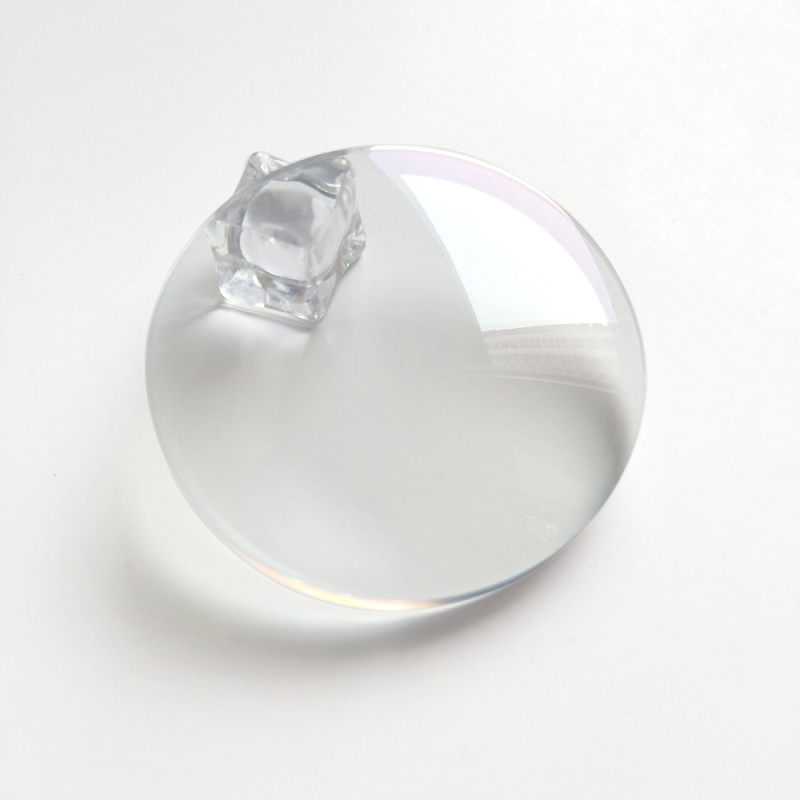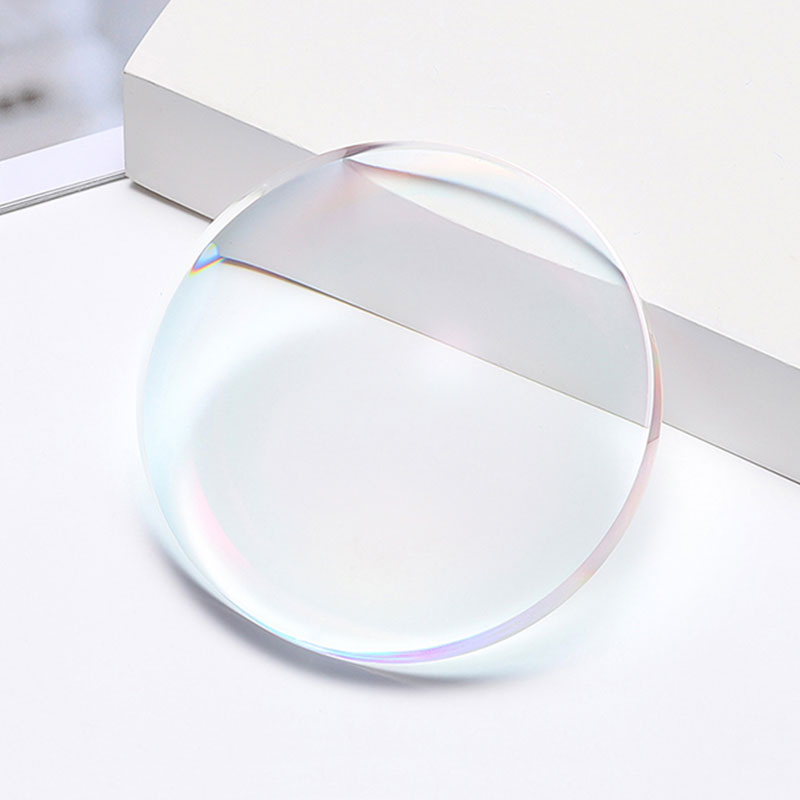


Di pasar kacamata, lensa fotokromik (also known as transition lenses) and traditional optical lenses each have unique features. With the continuous advancement of technology, photochromic lenses have gained popularity for their multi-functionality and convenience. However, traditional lenses still hold a significant market share in certain environments. Artikel ini akan menganalisis secara profesional kelebihan dan kekurangan lensa fotokromik dibandingkan lensa optik tradisional, membantu konsumen mengambil keputusan yang lebih tepat.
Keunggulan Lensa Fotokromik
1. Adaptasi Cahaya Otomatis
Salah satu keuntungan paling signifikan dari lensa fotokromik adalah kemampuannya untuk menyesuaikan warna secara otomatis sebagai respons terhadap perubahan kondisi cahaya. Di bawah sinar matahari yang cerah, lensa menjadi gelap untuk memberikan perlindungan tambahan terhadap sinar UV, dan di lingkungan dalam ruangan atau berawan, lensa kembali ke keadaan transparan. This automatic adjustment greatly enhances comfort and reduces the risk of eye strain from intense sunlight. Hal ini sangat bermanfaat bagi mereka yang sering berpindah-pindah lingkungan pencahayaan yang berbeda, seperti penggemar olahraga luar ruangan dan pengemudi.
2. Perlindungan UV
Photochromic lenses offer effective UV protection, as they darken when exposed to ultraviolet (UV) radiation. This feature helps reduce the risk of eye damage caused by prolonged UV exposure, which can lead to cataracts, retinal damage, and other eye conditions. Perlindungan UV yang diberikan oleh lensa fotokromik merupakan keunggulan utama dibandingkan lensa tradisional, yang mungkin tidak menawarkan tingkat perlindungan ini kecuali dirancang khusus dengan lapisan pemblokiran UV.
3. Peningkatan Kenyamanan Visual
Photochromic lenses adjust to varying light conditions, allowing the eyes to remain comfortable in different environments. Intense sunlight can cause eye discomfort, but photochromic lenses effectively reduce glare and eye fatigue by dimming the light. This is especially beneficial for individuals who experience discomfort in bright environments. The adaptability of the lenses ensures that the eyes are constantly protected from excessive brightness without the need for additional eyewear.
4. Penggunaan Serbaguna di Berbagai Lingkungan
Lensa fotokromik tidak hanya cocok untuk dipakai sehari-hari tetapi juga unggul dalam lingkungan di mana individu harus berpindah antara ruang dalam dan luar ruangan. They eliminate the need for switching between regular glasses and sunglasses, making them practical for those who are constantly on the move. Misalnya, pengemudi dapat memakai lensa fotokromik agar tidak perlu mengganti kacamata saat bertransisi dari kondisi luar ruangan yang terang ke interior dengan pencahayaan redup.
Kekurangan Lensa Fotokromik
1. Perubahan Warna Lebih Lambat
Meskipun lensa fotokromik secara otomatis menyesuaikan dengan perubahan cahaya, kecepatan perubahan warna ini umumnya lebih lambat dibandingkan dengan apa yang diperkirakan sebagian pengguna. In high-temperature or rapidly changing light conditions, the transition from clear to dark may take several minutes. This slower response time can be inconvenient for users who require immediate protection from sudden light exposure.
2. Sensitivitas Suhu
Photochromic lenses are highly sensitive to temperature, which can impact their performance. In hot environments, the lenses may change color more slowly or may not darken as much. Conversely, in colder temperatures, the lenses may darken more quickly. Artinya, di wilayah dengan suhu tinggi atau dingin ekstrem, lensa fotokromik mungkin tidak berfungsi seefisien di wilayah beriklim sedang, sehingga kurang dapat diandalkan dalam kondisi cuaca tertentu.
3. Efek Terbatas Di Dalam Ruangan
Meskipun lensa fotokromik bekerja sangat baik di lingkungan luar ruangan yang terdapat sinar UV, lensa ini tidak menunjukkan perubahan warna yang mencolok di lingkungan dalam ruangan yang paparan sinar UVnya minimal. As a result, the lenses typically remain clear indoors, providing no additional benefits compared to traditional lenses in such settings. This limits their utility in indoor environments where users might expect them to provide protection or comfort.
4. Biaya Lebih Tinggi
Photochromic lenses generally cost more than traditional lenses due to their advanced technology and production processes. This higher price point can be a barrier for consumers who are on a budget. Meskipun fungsionalitas tambahan mungkin membenarkan biaya yang lebih tinggi bagi sebagian pengguna, pengguna lain mungkin lebih memilih lensa tradisional yang lebih terjangkau, terutama jika lensa tersebut tidak memerlukan fitur fotokromik.
5. Tidak Cocok untuk Segala Aktivitas
While photochromic lenses work well for everyday use, they may not be suitable for all activities. For instance, in high-intensity sports or extreme outdoor conditions, the performance of photochromic lenses may be less reliable. The slow color-changing process and temperature sensitivity could make them less effective for individuals who need rapid and consistent lens adjustment during dynamic activities.
Keuntungan Lensa Optik Tradisional
1. Hemat Biaya
One of the main advantages of traditional optical lenses is their affordability. Since their manufacturing process is relatively simpler compared to photochromic lenses, they tend to be more cost-effective. Consumers can purchase traditional lenses without the additional costs associated with the advanced technology of photochromic lenses. For budget-conscious users, traditional lenses remain a popular choice.
2. Kinerja Optik Yang Stabil
Traditional optical lenses offer consistent performance without being affected by environmental factors such as light intensity or temperature. Their optical properties remain stable in various lighting conditions, providing users with a predictable and reliable visual experience. Stabilitas ini sangat penting bagi mereka yang memerlukan koreksi penglihatan yang tepat, seperti individu dengan resep yang kuat atau mereka yang terlibat dalam aktivitas yang memerlukan penglihatan yang jelas dan konsisten.
3. Berbagai Pilihan
Traditional lenses come in a wide range of materials, thicknesses, coatings, and designs. Konsumen memiliki keleluasaan dalam memilih lensa berdasarkan kebutuhan spesifiknya, seperti lapisan anti silau, anti gores, atau pelapis pemfilteran cahaya biru. This variety allows users to customize their eyewear according to their preferences and requirements.
Kekurangan Lensa Optik Tradisional
1. Tidak Ada Adaptasi terhadap Perubahan Ringan
Unlike photochromic lenses, traditional lenses do not adjust to changes in light. In bright outdoor conditions, individuals wearing traditional lenses often need to switch to sunglasses for proper eye protection. Ketidaknyamanan ini menyebabkan pengguna harus membawa banyak pilihan kacamata, yang dapat memberatkan, terutama bagi mereka yang sering berpindah-pindah antara ruang dalam dan luar ruangan.
2. Perlindungan UV Terbatas
Most traditional optical lenses do not offer UV protection unless they are specifically treated with UV-blocking coatings. Prolonged exposure to UV rays without adequate protection can increase the risk of eye health issues, such as cataracts. For those who spend significant time outdoors, traditional lenses without UV protection may not offer sufficient defense against harmful rays.
3. Menambah Beban Kacamata
For people who frequently transition between different environments, traditional lenses can increase the eyewear burden. Switching between regular glasses and sunglasses when moving from indoor to outdoor environments can be a hassle. This need for multiple eyewear options can be inconvenient and impractical for many users.